
Personal Memory
The Grandmother from Ghorband (Abai) in Waziristan’s Embrace
Anas Haqqani recalls Abai’s journey from Ghorband to Waziristan, the family life and years of exile they shared, and her final wish to be buried among those she called her sons.
© anashaqqani.com
It was the late 1990s, during the first period of the Emirate. I was still young then. Many years have passed, but some scenes and stories from those days have never faded from my memory.
A childhood memory in Kabul
An elderly woman lived with us in our home in Kabul and helped with the household. She was from the Ghorband Valley in Parwan. We called her Abai, as one would affectionately call a grandmother.
Her husband was an elderly man named Siddiq Baba. He worked as a guard at the home of our late uncle, Haji Khalil Ur Rehman Haqqani.
One day, I was walking along a street in Wazir Akbar Khan with some of the other boys in the family, both young and old. One of us threw something at an elderly man who was passing by. His face was badly scarred by smallpox.
The boys took off running. For a moment, the man stood there in anger. Then he let out a shout and came running after us. The boys were quicker on their feet than the elderly man. He looked around with wide, angry eyes until he spotted me. It was as if a thought crossed his mind: “I can’t catch the others, but I can catch this one.”
His face was burning with anger. My heart began to pound, and I started running.
I ran as fast as I could through the streets of Wazir Akbar Khan. Several times I thought he was about to catch me. It felt as though he were following me like a shadow. A few times he stretched out his hand towards me. He could not quite reach me, but every time he tried, I screamed in fear.
I could hear my own heart beating.
In the middle of all that fear, I realised that our house was too far away. The other boys had disappeared, and I was alone.
Then I saw the home of our late uncle, Haji Khalil Ur Rehman Haqqani, on my right.
I immediately turned towards it.
I ran through the gate shouting. Siddiq Baba came out in alarm. I was crying as I tried to explain what had happened.
“A man is chasing me,” I told him. “A man is coming after me.”
Siddiq Baba took me by the hand and led me outside. He wiped away my tears, and I pointed to the man.
The man explained, “He was with the other boys. They hit me.”
Siddiq Baba laughed and told the man chasing me that “the others hit you, but you chased this poor boy? Look at him, he is terrified.”
The man became embarrassed. He apologised and went on his way.
In my heart, I prayed for Siddiq Baba.
When I returned to the other boys, one offered me chocolate and another stroked my head.
“We didn’t know you had been left behind,” one said.
Another looked at me apologetically and said, “Just don’t tell anyone at home.”
Abai Became One of Us
Over time, Siddiq Baba and Abai became so much a part of our lives that we no longer thought of them as people who simply lived or worked with us. They were members of the family.
Abai gradually became like a mother and grandmother to us.
America invaded our homeland, and we moved from Kabul to Waziristan.
By then, Abai had become a part of our lives. She did not return home either; instead, she migrated with us.
Abai had no surviving children. Early in her marriage she had given birth to a daughter, but the child died after only a few months. She never had another child.
Siddiq Baba had married a second time in the hope of having children. He spent much of his time back home in Ghorband and would secretly come to Waziristan every few months to spend some time with Abai.
All of us brothers lived so closely with her that she did not seem to feel the absence of children as deeply. She treated each of us as her own and called every one of us “my son.”
In our home in Waziristan, Abai was the person in charge of household affairs. She watched over everything.
Sometimes at night we would gather around her. I particularly enjoyed stories about jinn.
“Abai,” I would say, “tell us stories about the jinn of Ghorband.”
She would tell us stories until midnight, sometimes in a voice heavy with sleep, while we sat around her listening.
Abai’s Kitchen
But when it came to the kitchen, Abai was very serious.
She made exceptions for no one.
During the kitchen’s working hours, we knew we had to be careful around her. She did not like anyone disturbing her work before its proper time. Food had to be prepared and served on schedule.
She also knew every single dish, bowl and pot in her kitchen.
Near our house there was a madrasa where many groups of mujahideen were staying. Sometimes we sent food from our home to them. We always tried to make sure the dishes were returned because those were Abai’s strict instructions.
One day, our martyred brother Omar was upset with Abai. Someone asked him, “What’s going on?”
“Abai went to the madrasa today,” he complained. “She told them, ‘We send you food, but you don’t return my dishes. My bowls are disappearing day by day.’ Then she searched all the rooms. She even went into my friends’ room and brought their bowls back.”
Omar remained quiet for a moment, then continued.
“Some of those people think she is our mother. She shouldn’t be wandering around outside like that. And why did she take bowls from my friends?”
Abai replied calmly, “I know my dishes. I didn’t bring back a single dish that wasn’t mine. I found all of my own. Don’t be upset. I’ll give them food, but they have to return the dishes.”
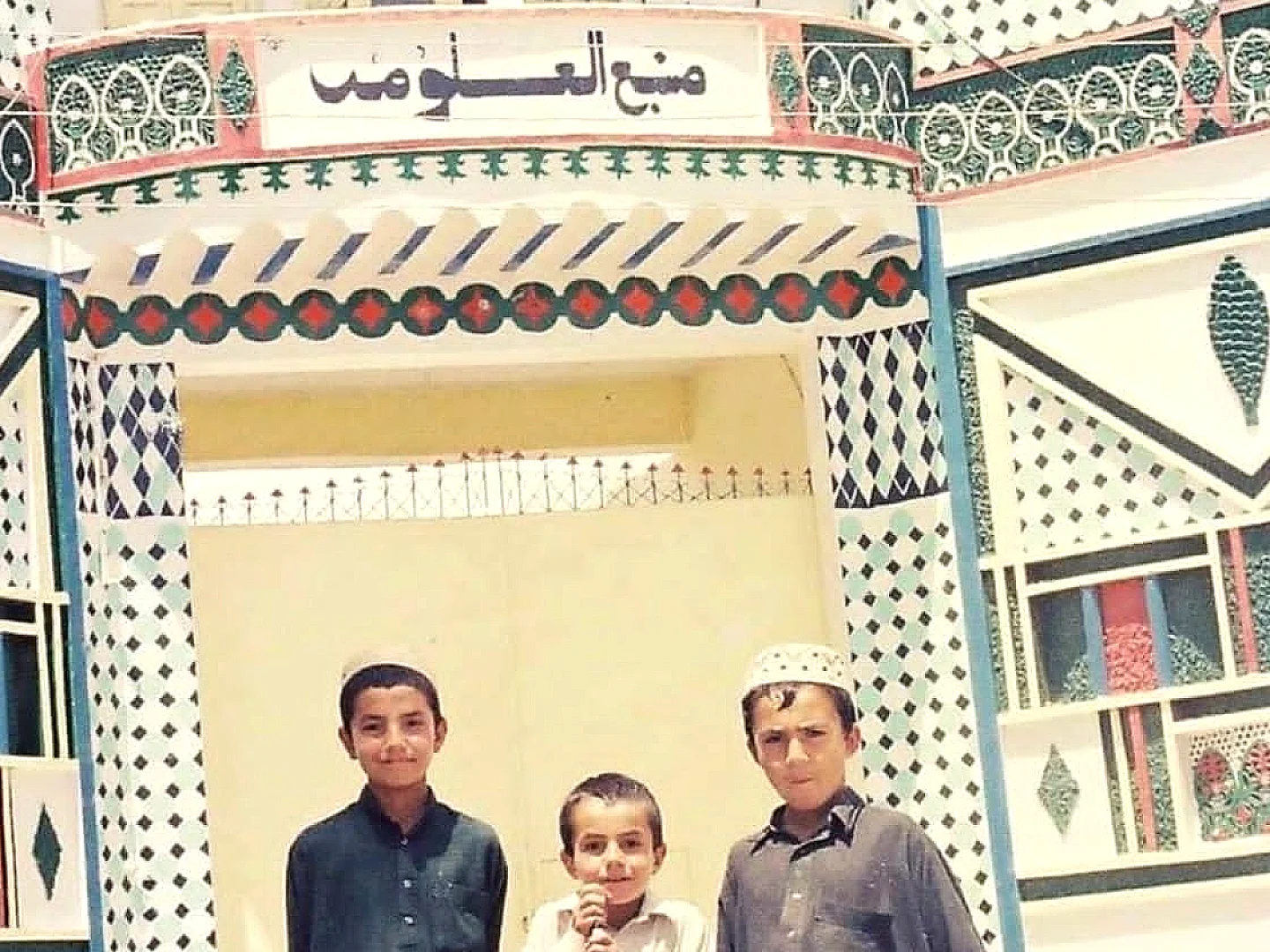
Bread and Shorwa
In the afternoons, before we went outside, Abai would often bake bread and carefully cover it in the kitchen.
I would quietly sneak inside.
First, I would look around to make sure she was not there. Then I would approach the cloth covering the bread, reach underneath and tear off a piece.
I would go to the stove, dip the dry bread into the stew, put the lid back on the pot and quickly leave.
Sometimes she caught me from behind.
She would shout after me, while I ran away laughing and found somewhere to hide.
Other times, I left evidence behind. A few drops of broth might fall somewhere in the kitchen.
Later, when she discovered them, she would ask who had done it.
Sometimes, a few drops of shorwa, a traditional Afghan soup, would spill on the floor. When Abai noticed them later, she would ask, “Who did this?” One of her favourite expressions was “three kharwars,” referring to an enormous amount of something. So she would say, “They’ve spilled three kharwars of oil!”
Years of Exile
During the early years of our migration, Abai occasionally travelled secretly through Khost to visit relatives in Ghorband.
During the early years of the Obama administration, the conflict between us and the Americans had become intense. American forces were also targeting our leaders in Waziristan with drones and relied heavily on intelligence gathered on the ground.
Somehow, they had learned that an elderly woman from Ghorband was living in Khalifa Sirajuddin Haqqani’s household.
At the time, Abai had gone to visit her sister in Ghorband.
American forces raided her husband’s home looking for her. They searched the house and asked about her as though they were searching for an important military commander.
Abai quickly left with her nephew and made her way back to Waziristan.
We had already heard about the raid, so there was great happiness in the house when she returned safely.
After that, we told her she could no longer travel back home.
“The Americans will stop at nothing,” we told her.
Abai accepted it and decided to remain in Waziristan.
She was a courageous woman and spoke with confidence. She also had strong instincts about people.
Sometimes she would mention someone to Khalifa Sirajuddin Haqqani and say, “Don’t trust that man too much. He doesn’t seem right to me.”
On one occasion, the Americans were encouraging people from our ranks to surrender, offering certain benefits in return. One infiltrator had already surrendered, and his case was publicly announced.
Around the same time, another former mujahid called our house on the landline about some matter.
Abai heard his voice.
“There is something very untrustworthy about that man’s voice,” she said. “You will see. He is going to run away and go over to the Americans.”
We laughed at her certainty.
But only a few nights later, the same man went to Khost and surrendered to the Americans. They welcomed him and placed garlands around his neck.
The Death of Siddiq Baba
Like us, Abai had now been separated from her village and homeland for years.
Her husband, Siddiq Baba, developed cancer. He spent a long time receiving treatment back home before eventually returning to Waziristan.
One evening, he went to the mosque for prayer. He was sitting on the mosque veranda when he passed away.
Abai received the news late that night.
She cried bitterly.
She had lost the one companion who had shared her long and difficult life, and she had lost him while living in exile.
Young and old gathered around her and tried to comfort her.
Siddiq Baba’s family was informed. They insisted that his body be returned to Ghorband for burial, and arrangements were made.
But because of the danger, Abai could not accompany her husband’s body back to Afghanistan.
At the Ghulam Khan crossing, she turned back towards Miranshah in tears.
Her husband continued his final journey home without her.
Twenty Years of Exile
For twenty years, Abai shared our life with us. She shared the struggle, the hardship, the migration and all the uncertainty that came with it.
Many mujahideen from the Ghorband Valley knew that an elderly woman from their area was living with our family.
Whenever someone from Ghorband met us or contacted us, he would often introduce himself by saying, “I am from Abai’s homeland.”
Then the course of events changed.
America withdrew, and we returned to Kabul victorious.
By then, Abai had become physically weak, but she still carried twenty years of unfulfilled wishes in her heart.
One day she spoke to Khalifa Sirajuddin Haqqani.
“For twenty years I have been away from my village and homeland,” she told him. “I have been separated from everyone I knew. People there know about me. I still have friends and enemies there.
“I have decided that I want to visit Ghorband once more. But I don’t want to return like an ordinary traveller. Who knows how much of my life is left?
“I have one wish. I want to celebrate this victory in my homeland with honour and happiness.
“Send me to the Ghorband Valley with my head held high, so that people will say, ‘That is the old woman who spent twenty years away from her village and homeland in the name of jihad and freedom. Now she has returned.’”
Khalifa Sirajuddin Haqqani accepted her request.
He instructed General Sharif, who was then the commander of the border police and is now the governor of Zabul, to make arrangements for her journey.
A large convoy of Humvees was prepared, with organised units accompanying her. General Sharif himself went with her.
The convoy first took Abai to the provincial headquarters in Parwan.
Many people from Ghorband had heard that she was coming and gathered to welcome her. They placed garlands of flowers around her neck, and the governor of Parwan gave her a warm reception.
From there, the convoy continued towards the Ghorband Valley.
Abai returned to her village in the same kind of American military vehicles that had once carried forces searching for her.
Groups of villagers came out along the way to welcome her.
Arrangements had also been made in Ghorband. A public feast was held, and gatherings of thanksgiving and prayer took place.
After twenty years away, Abai had returned home.
Her Return to Kabul
Abai stayed in her village for several days before returning to Kabul with the same convoy.
When she entered the house, she removed the white scarf from her head and began praying for Khalifa Sirajuddin Haqqani.
“You fulfilled the wish of a poor old woman,” she told him. “May Almighty God fulfil all the wishes in your heart.”
She had also returned from Ghorband carrying many petitions and requests from local people.
Soon she became so busy in Kabul, and so many people began visiting her, that we arranged a separate house for her and assigned people to assist her.
Once a week, she would come to see Khalifa Sirajuddin Haqqani, bringing the petitions and requests people had entrusted to her.
There was still one important wish left in her heart.
She wanted to perform Hajj.
In the first year after the victory, Khalifa Sirajuddin Haqqani arranged the journey for her. Some capable young men from our own family accompanied her so that they could look after her throughout the pilgrimage.
Abai performed Hajj and returned to Kabul.
As time passed, however, her body grew weaker and her illnesses increased.
The following year, we were ourselves travelling for Hajj when we received news that Abai had become seriously ill.
She had been taken to hospital, and her condition was critical.
Our companions told us that she kept repeating the same message.
“Tell my son, Khalifa Sirajuddin Haqqani, that I have no wishes left in this world. But if I die, take my body to the soil of Waziristan. Bury me there beside my other migrant sons, the mujahideen.”
Not long afterwards, Abai returned her tired soul to her true Creator.
Our home was filled with grief. It felt as though we had lost our own mother.
Khalifa Sirajuddin Haqqani first spoke with Abai’s family and relatives and received their consent.
“We want to fulfil Abai’s final wish as well,” he told them.
Then arrangements were made for her body to be taken to Waziristan.
Abai’s funeral did not travel towards Ghorband.
It went towards Waziristan.
There, in the well-known cemetery of the migrants, our Dawar villagers had prepared a grave for her.
Among many of our well-known martyrs, including Mullah Sangeen, Dr Nasiruddin, Mawlawi Ahmad Jan and others, Abai was laid to rest.
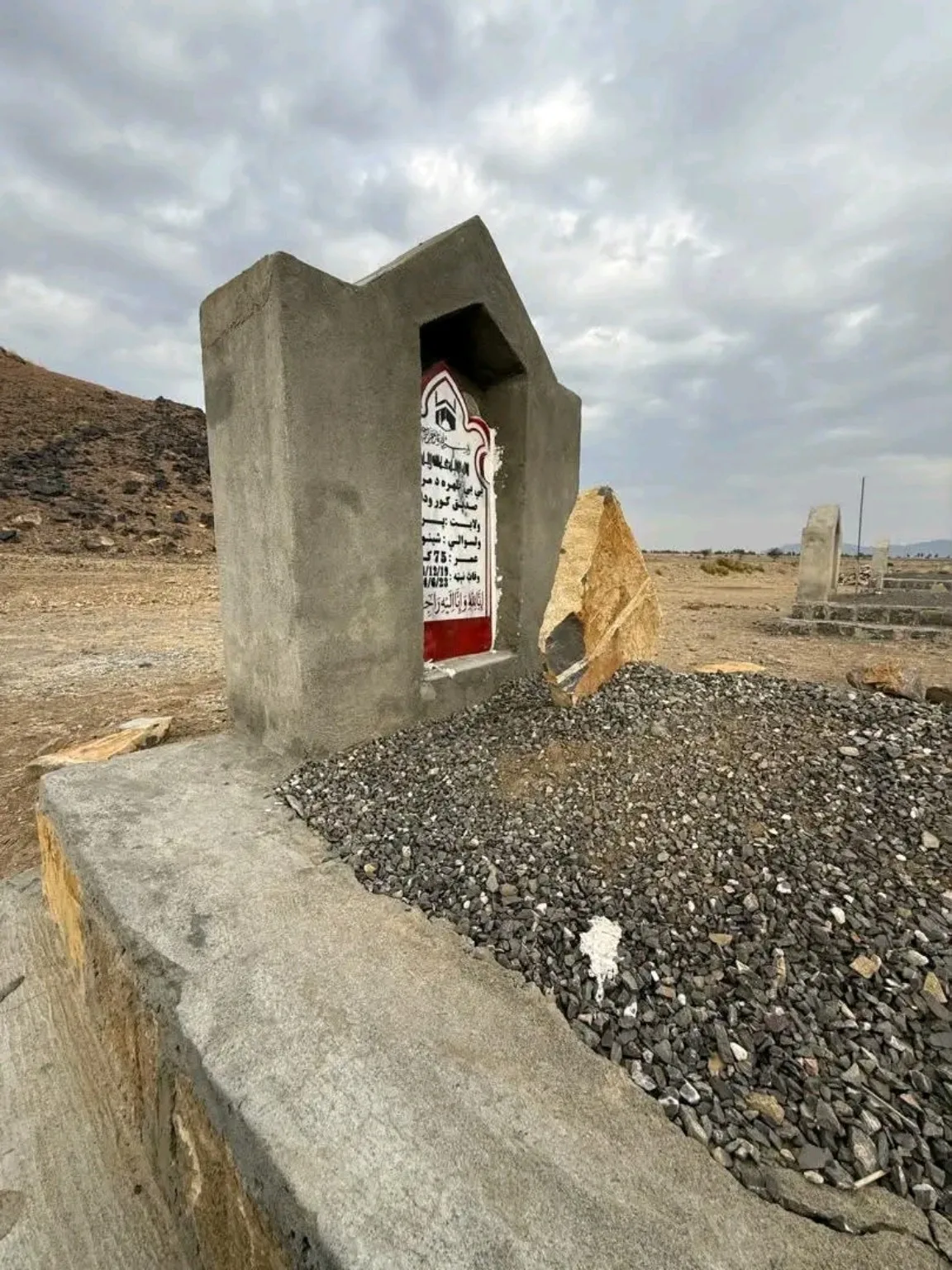
She had been born in Ghorband, but Waziristan became her final resting place.
For twenty years she had shared our home, our hardships, our journeys and our memories. She had no surviving children of her own, yet she became a mother to many. She left her homeland with us, lived through years of exile, returned at last to the valley she had longed for, performed Hajj, and finally chose to be buried in the land where she had spent so much of her life in migration.
She came into our lives as an elderly woman from Ghorband.
In the end, she was simply our Abai.
May Allah have mercy upon her soul, and may her memory always remain alive.
The Migrants Cemetery
Among Those Remembered
Ghorbandi Abai asked to rest in Waziristan beside those she regarded as her migrant sons. These archival portraits preserve three of the people named in her story.
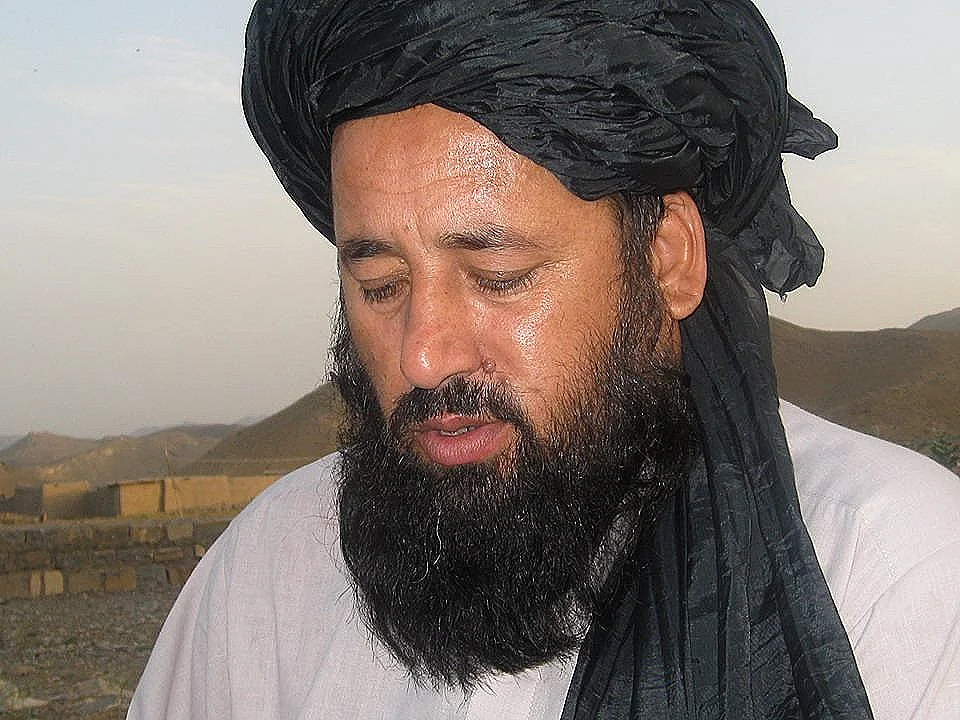
- Born
- Not publicly documented
- Martyrdom
- 21 November 2013
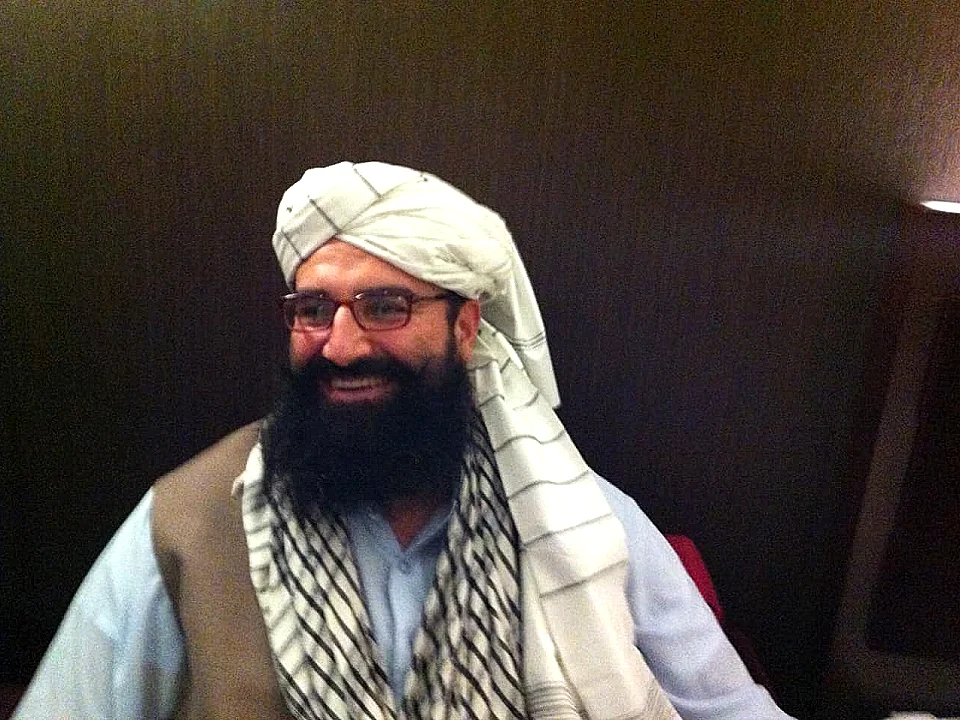
- Born
- Not publicly documented
- Martyrdom
- 10 November 2013
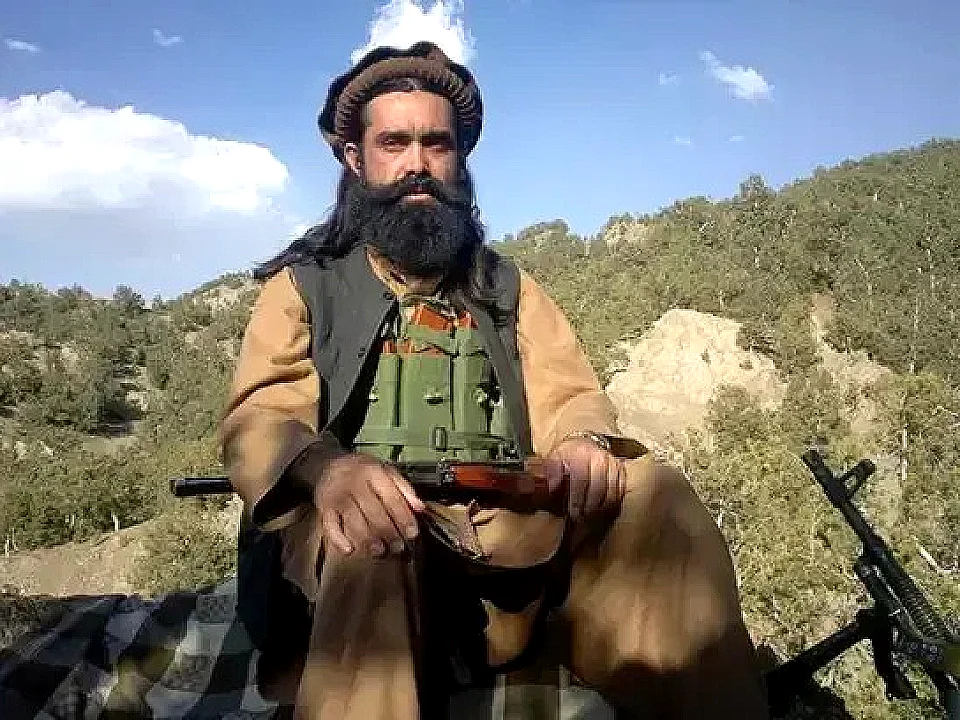
- Born
- c. 1976 or 1979
- Martyrdom
- 5 September 2013