Overview
Anas Haqqani is an Afghan public figure associated with political dialogue, cultural work, writing, poetry, and public engagement. Public biographical sources commonly identify him as a son of Jalaluddin Haqqani and a member of the Haqqani family.
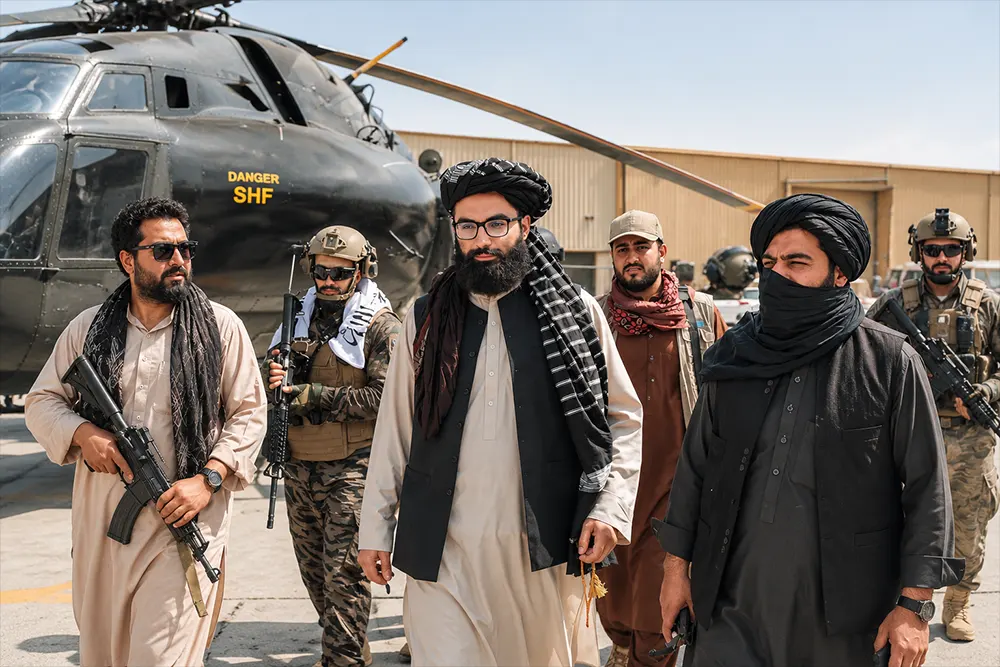
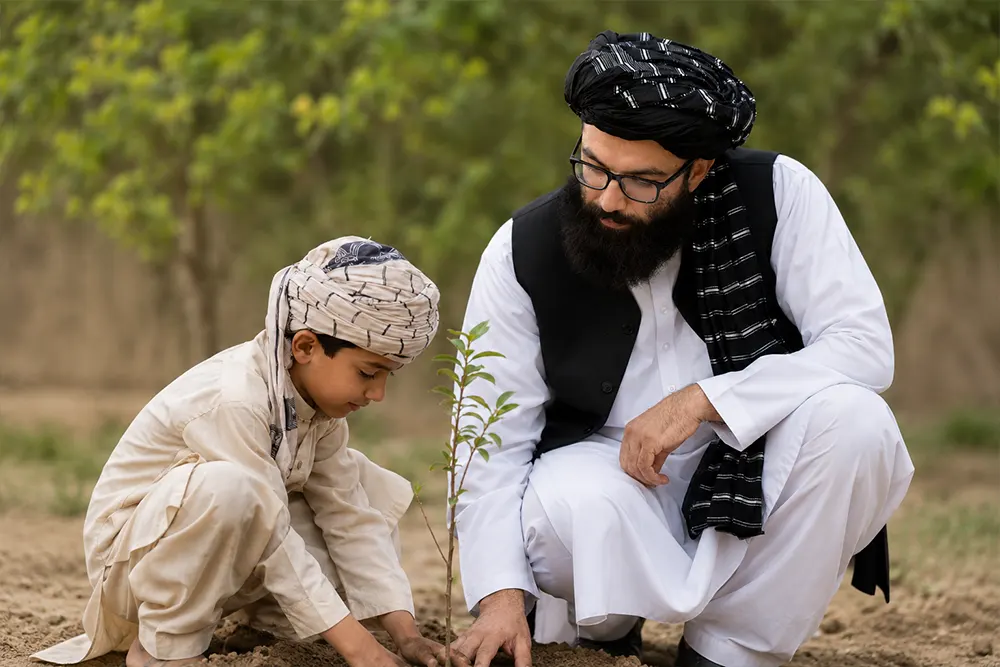
His public story is connected with migration, war, family legacy, imprisonment, prisoner-exchange diplomacy, and post-2021 cultural and political activity. This site presents that story through biography, key moments, official images, initiatives, and foundation work.
Family, Education, and Formation
Public sources describe Anas Haqqani as born around 1994, during a period when the family was living through regional conflict and displacement. His youth unfolded in an environment shaped by religious study, public life, political struggle, and the long wars around Afghanistan.
The family background is closely linked with Jalaluddin Haqqani, a prominent Afghan figure from the anti-Soviet war period and later Afghan conflicts. Anas Haqqani's own public identity is now more often presented through politics, culture, literature, and social engagement.
Detention, Release, and Negotiations
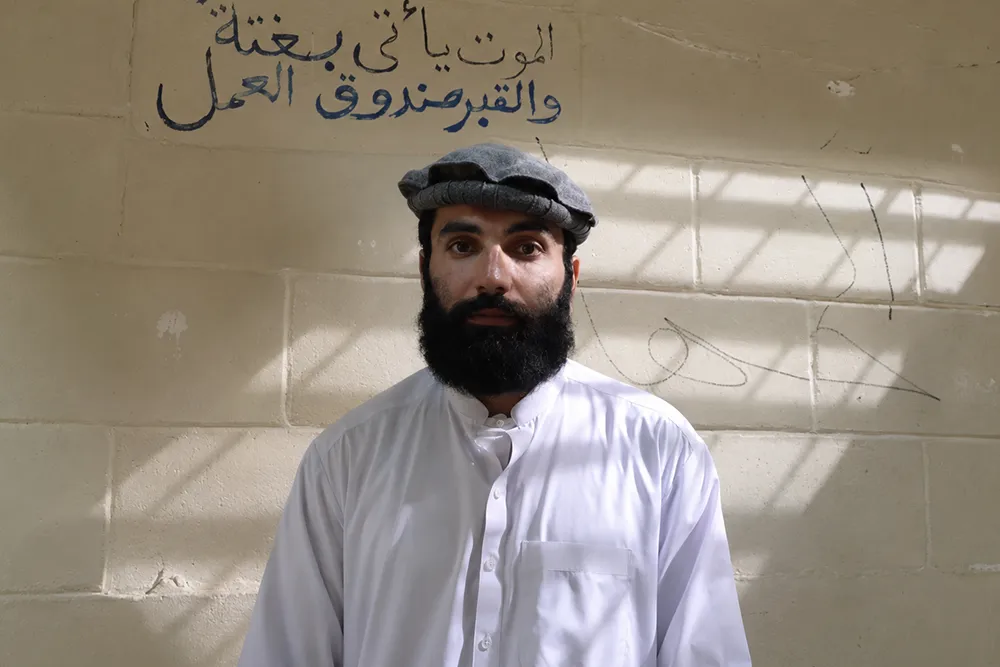
In 2014, Anas Haqqani was detained and later held by the former Afghan government. Public reports describe his release in November 2019 as part of a prisoner exchange connected to two Western professors who had been held by the Taliban.
During and after this period, public accounts connected him with the Qatar negotiation track. The experience of prison, negotiation, and release remains one of the central chapters in public descriptions of his life.
Writing, Poetry, and Cultural Work
Beyond politics, Anas Haqqani is presented on this site as a writer and poet. His interests include literature, memory, prison writing, social reflection, Afghan culture, and the preservation of oral history.
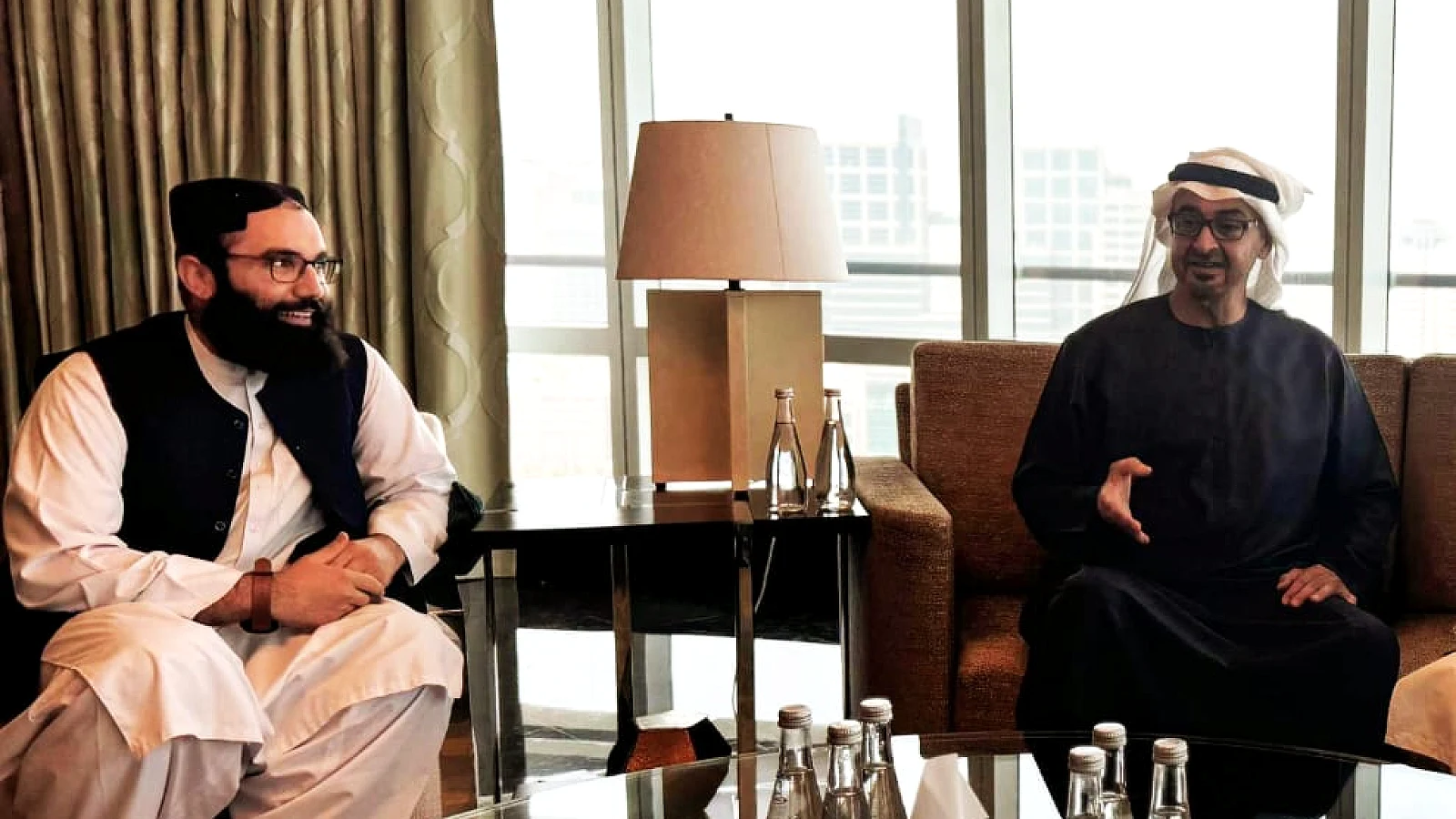
His current public-facing work includes meetings, cultural programs, support for education and documentation, and activity connected with Jalal Foundation. In addition to Afghanistan's official languages, Pashto and Dari, this site identifies Arabic as one of the languages associated with his public communication.